

 English
 English
 Magnetic Bar
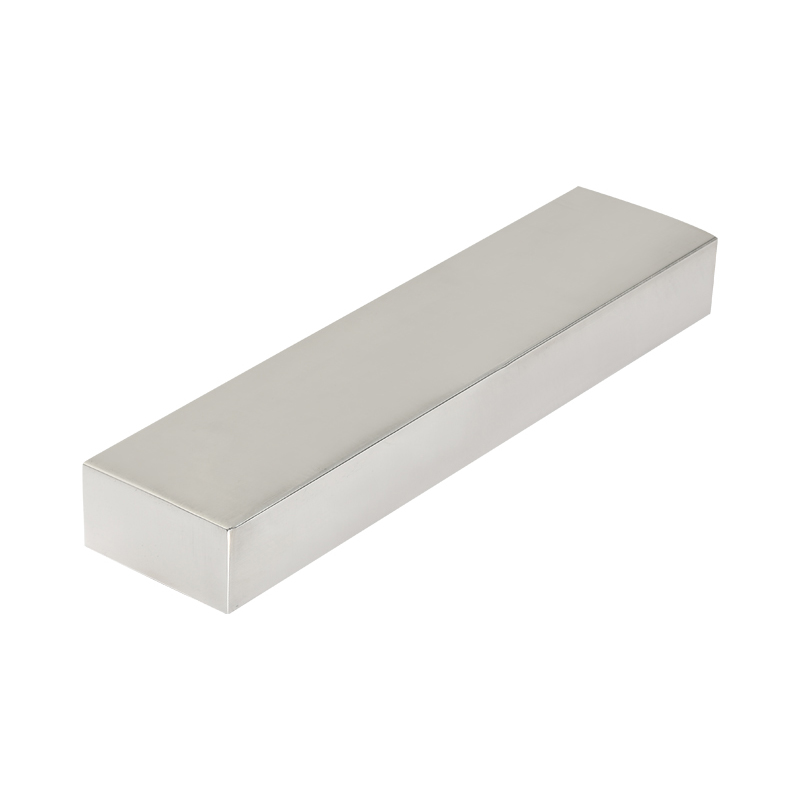
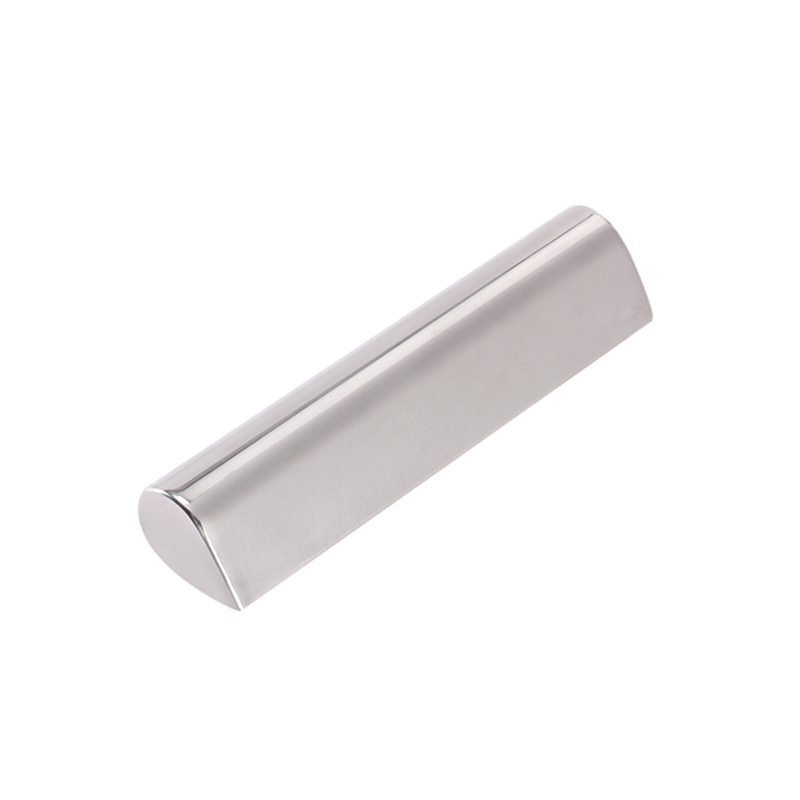
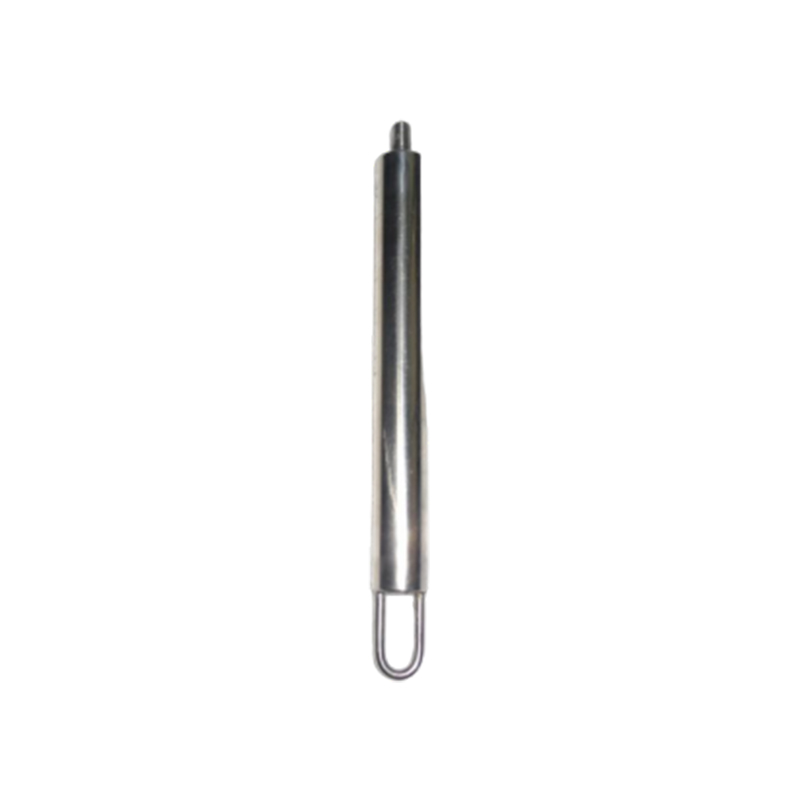
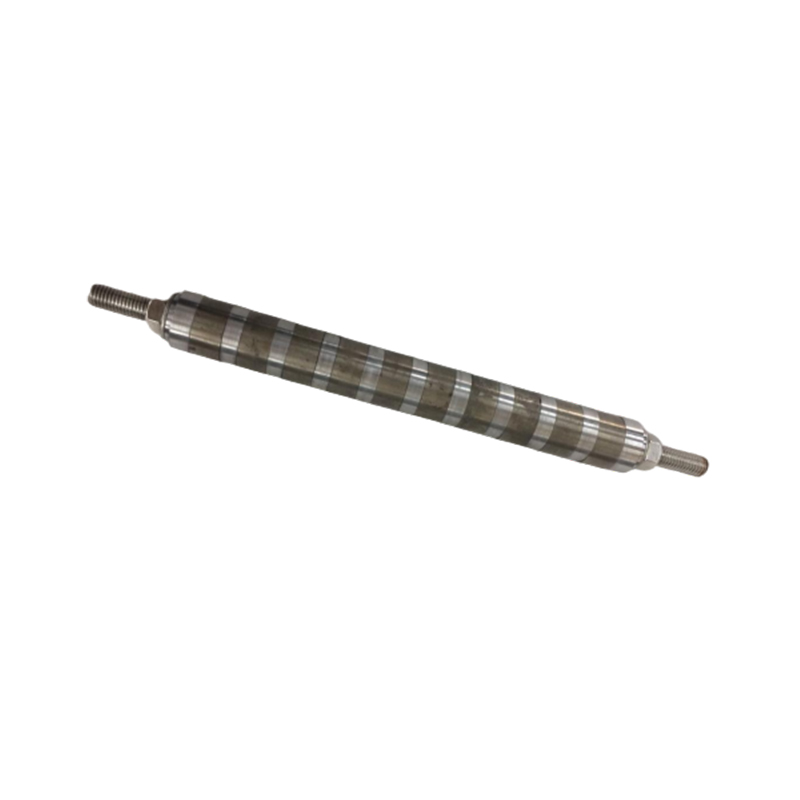
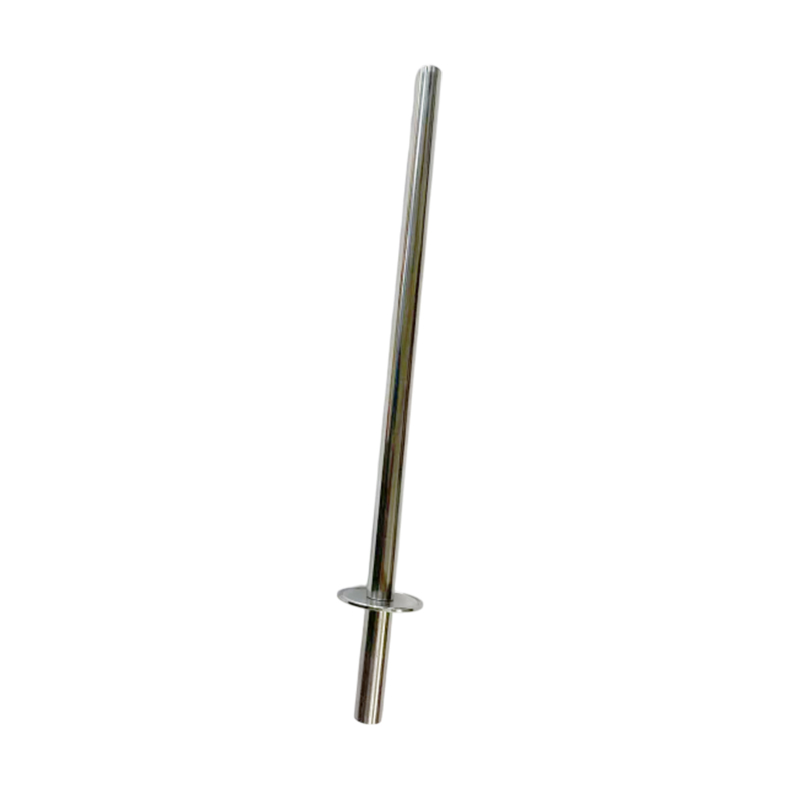
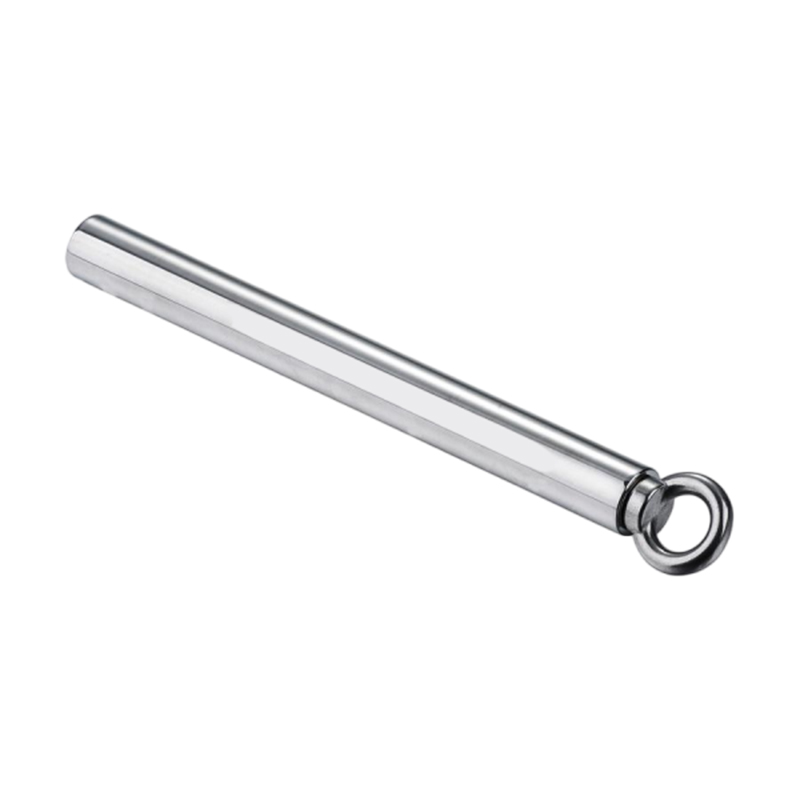
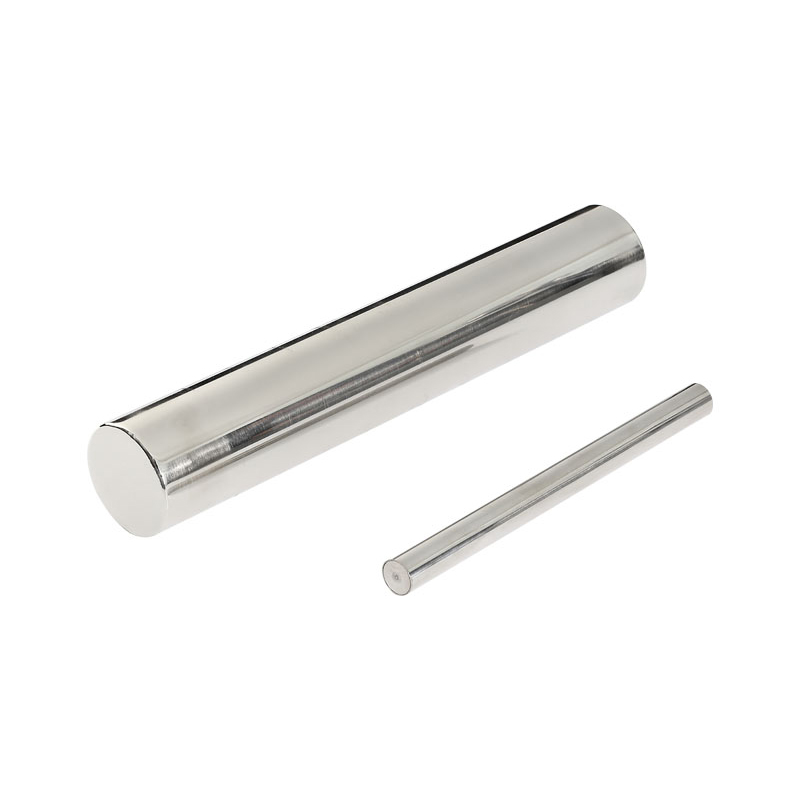
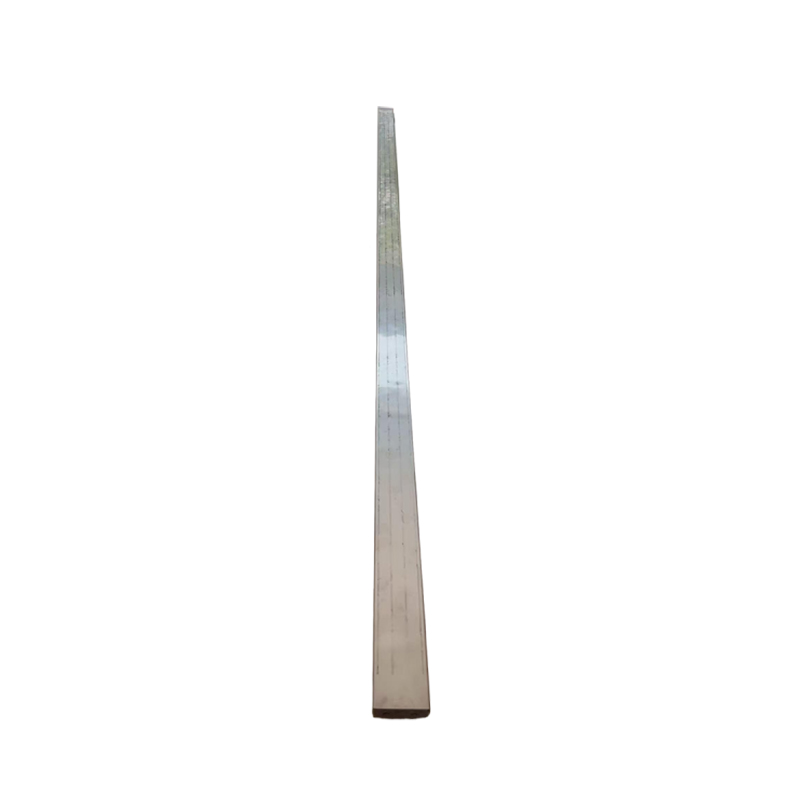
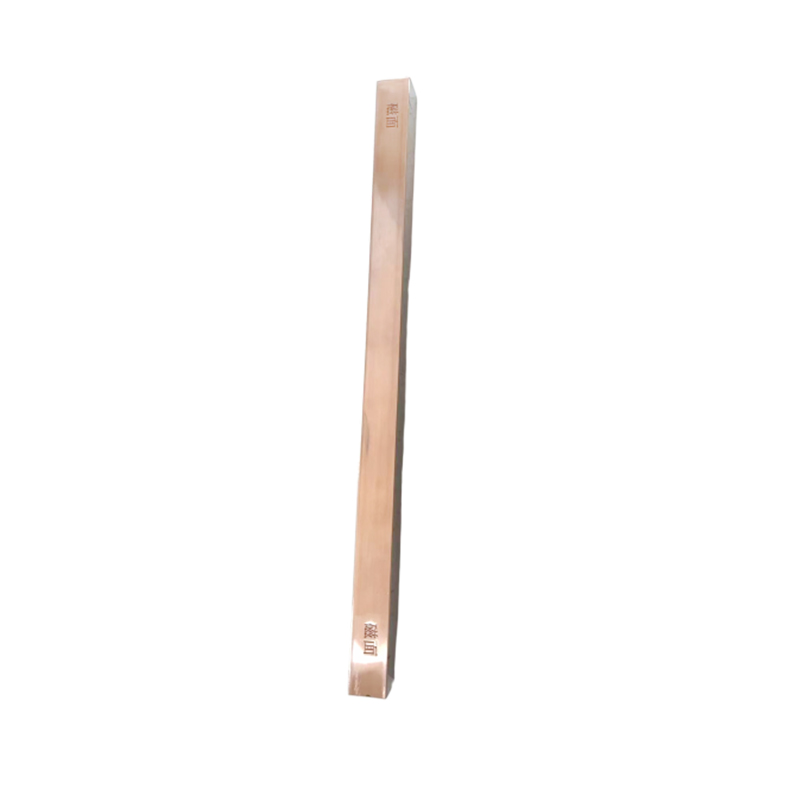
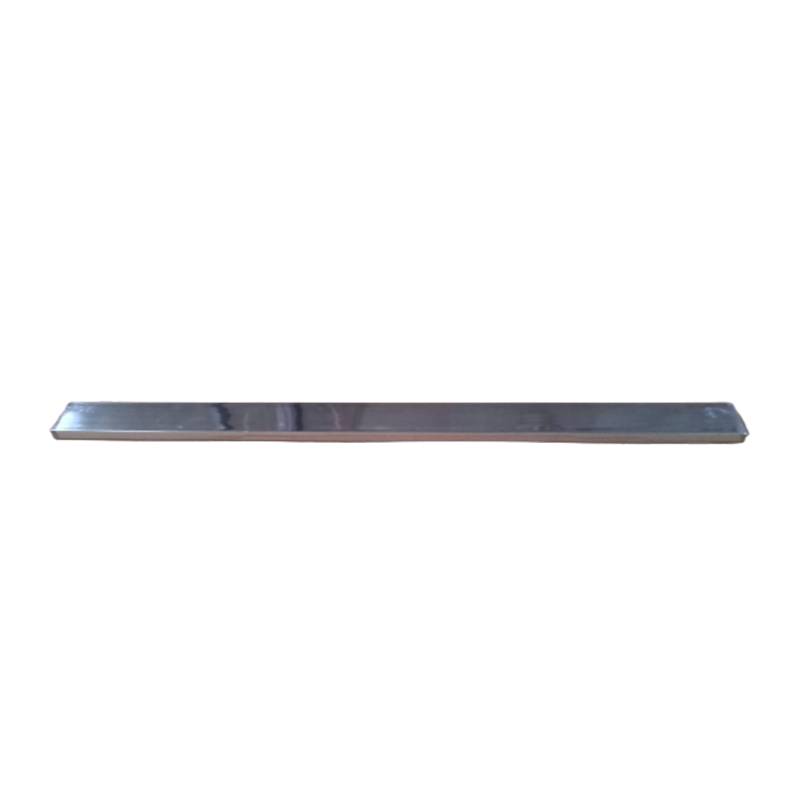
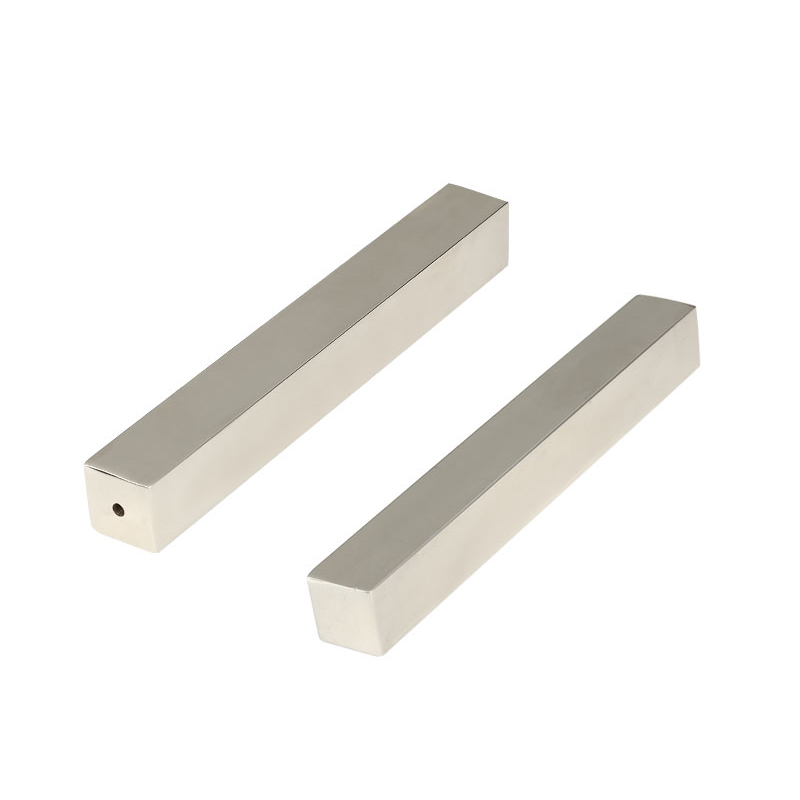
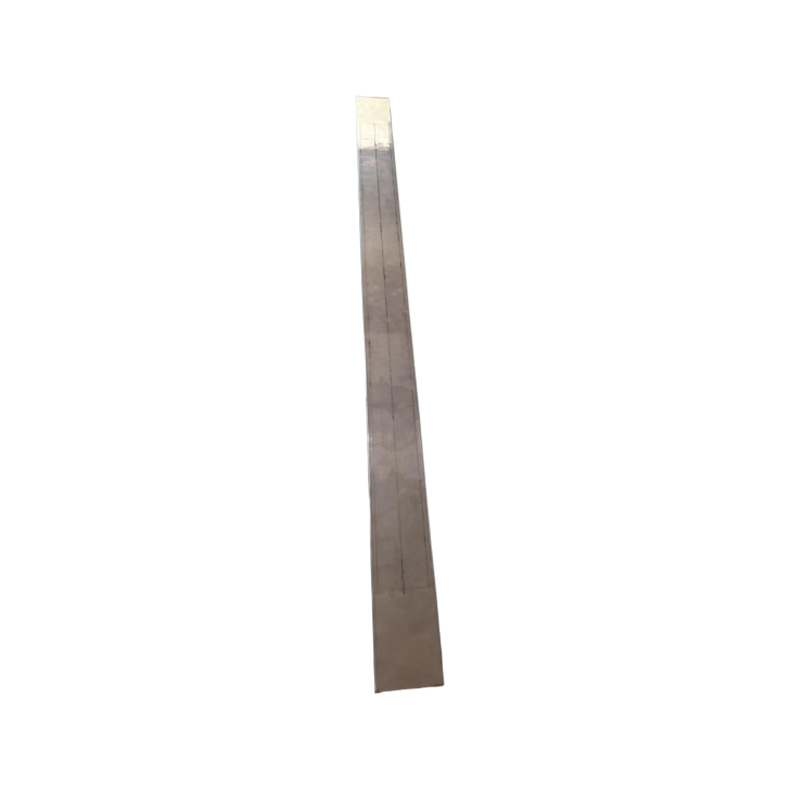
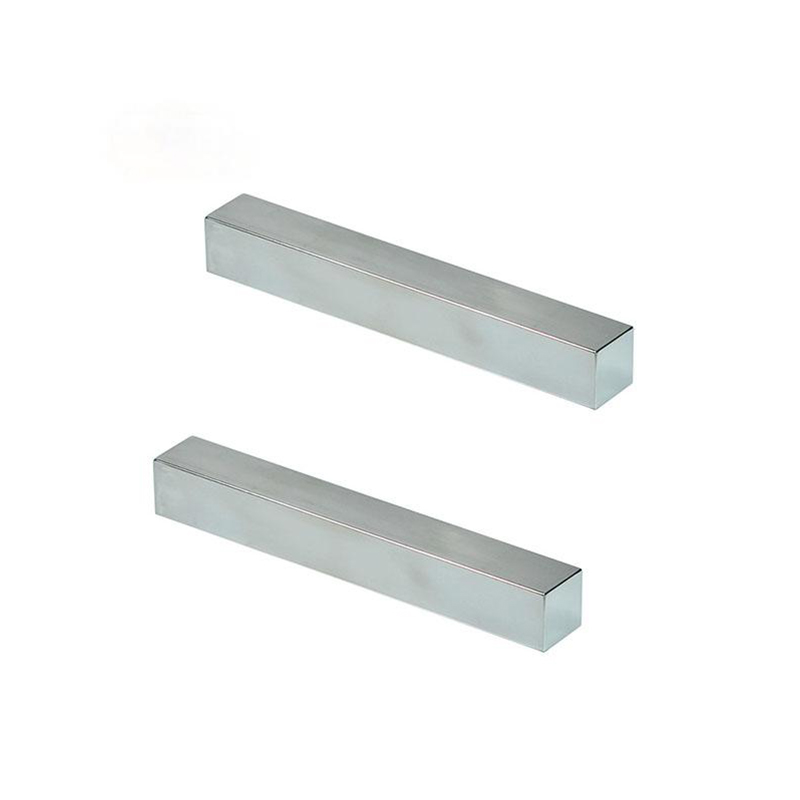
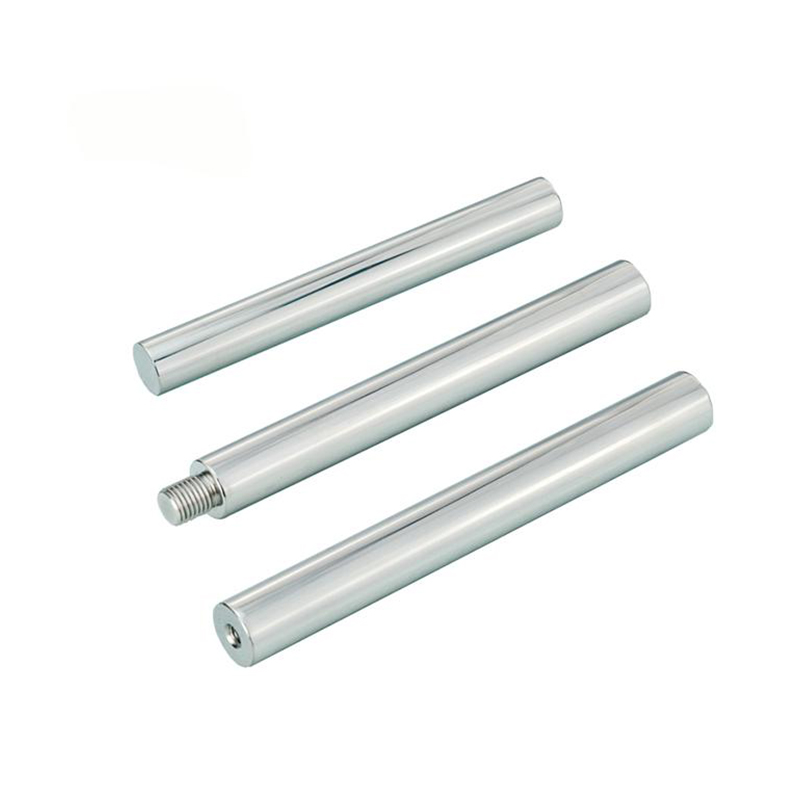
Structure:
The magnetic rod uses rare-earth permanent magnet steel as the magnetic source, encased in high-quality 304 or 316L seamless stainless steel tubing, and sealed at both ends by welding.
Applications:
High-strength magnetic rods are mainly used to clean ferromagnetic impurities from powders, granules, liquids, or slurries. Their strong magnetic force separates fine ferromagnetic impurities from various materials, improving material purity, ensuring equipment integrity, and enhancing product quality. Widely used in ceramics, power, mining, plastics, chemicals, rubber, pharmaceuticals, food, environmental protection, pigments and dyes, electronic metallurgy, and other industries.
Features:
1. The surface of the magnetic rod is sealed by welding with SUS304, SUS316, or SUS316L steel tubing and polished, allowing it to handle dry powders, wet, or liquid materials.
2.Magnetic rods are available in diameters of Φ15.9, Φ19.1, Φ22, Φ25, Φ28, Φ32, Φ38, and Φ50. Magnetic rods with a diameter of 25mm or more can achieve a surface magnetic field strength of over 14000 Gauss.
3.The surface is mirror-polished to meet food and pharmaceutical hygiene standards.
4.Magnetic rods can be custom-made to special specifications. Length and diameter can be customized, as can the shape (e.g., square or rectangular cross-section). Different shapes and functions of end caps can be customized, and various specifications of pull rings, screw holes, screw rods, lifting rings, and tapered tips can be configured. This allows the magnetic rods to be individually fixed at the inlet, outlet, or conveying pipeline.
5.The default operating temperature is 80℃. Products with operating temperatures up to 350℃ can be provided to meet specific customer needs.
Maintenance:
During use, it is not recommended to place the magnetic rod in an environment higher than its rated operating temperature, as high temperatures will cause a decrease in magnetic force. Try to avoid damaging the stainless steel surface of the magnetic rod. Once the stainless steel surface is damaged, the internal magnet will come into contact with moisture and air, causing the magnet to oxidize, reducing performance and lifespan.

 [email protected]
 +86 -13906278302
 Chengang Village, Hai'an Industrial Park, Nantong City, Jiangsu Province
GET DIRECTIONS
Chengang Village, Hai'an Industrial Park, Nantong City, Jiangsu Province
GET DIRECTIONS
STAY IN TOUCH
If you have any questions or need help, feel free to contact with our team.
Copyright © Jiangsu Pulong Magnetoelectric Co., Ltd. All Rights
Reserved
